The Habit Loop: Shape Your Life with Cues, Routines, and Rewards
A significant portion of our daily behaviors consists of habits. Understanding this loop can help you both adopt good habits and let go of those that tire you out.

Photo: RDNE Stock project / Pexels
Approximately 40% of our lives consist of habits. This shows how large a portion of our daily decisions and actions are actually automated behaviors. Habits, whether we are aware of them or not, deeply affect both our personal development and our overall quality of life.
So, how do these habits form, and why do some become permanent in our lives while others disappear over time? This is where the "habit loop" comes into play. This loop is a simple yet powerful model that explains how a habit is triggered, maintained, and reinforced.
The Three Cornerstones of the Habit Loop
The habit loop basically consists of three main components: cue, routine, and reward. When these three elements come together, our brain creates a neurological pathway that encourages us to repeat a behavior.
1. Cue (Trigger)
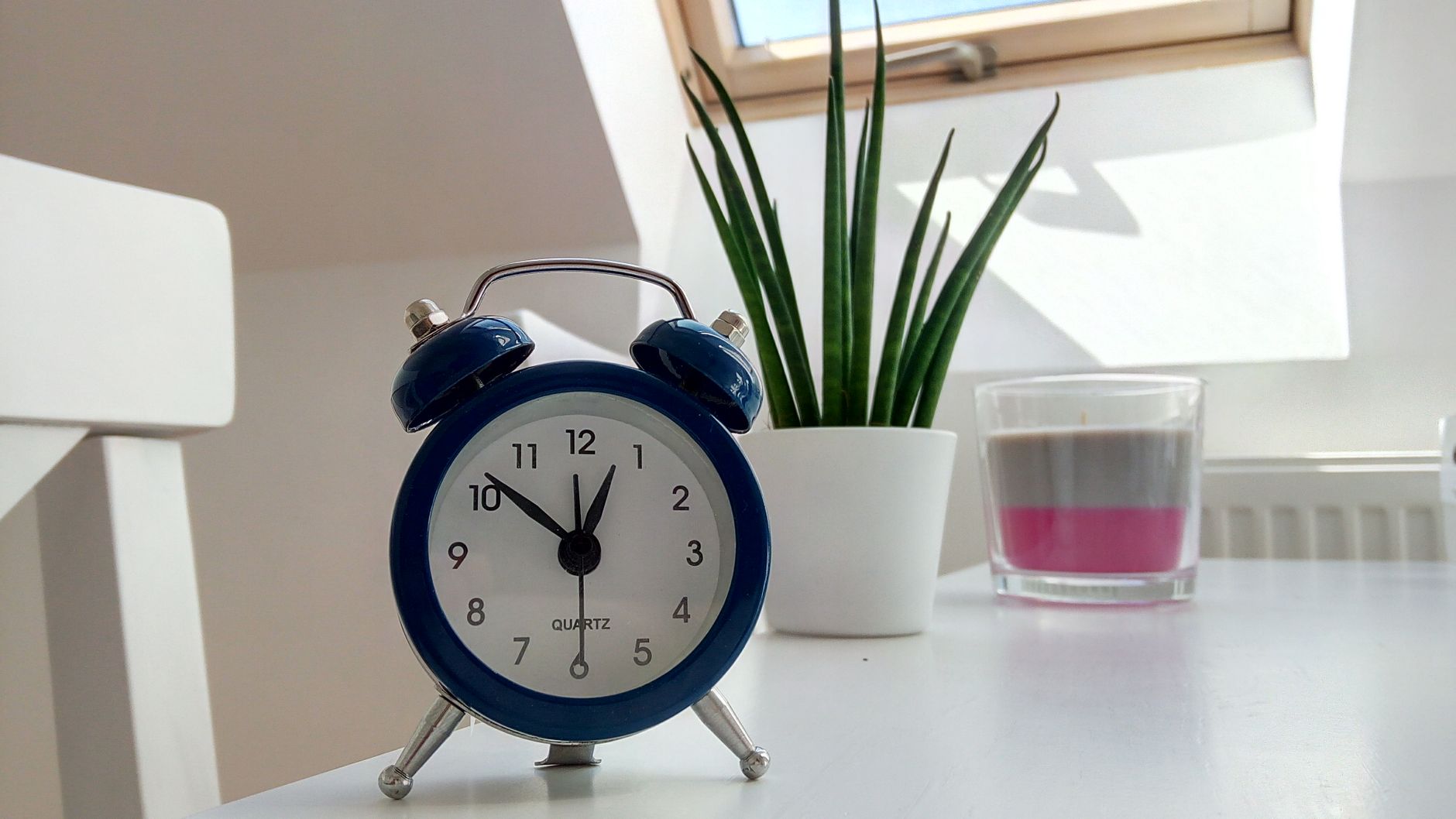
A cue is any signal that tells your brain to initiate a specific behavior. This can be an emotion, time of day, your location, a previous action, or something you see. For example, your morning alarm ringing, a feeling of boredom, or coming home from work can all be cues.
2. Routine (Behavior)
The routine is the actual behavior that follows immediately after the cue. Getting out of bed when the alarm rings, scrolling through social media when you're bored, or turning on the TV as soon as you get home are all routines. These repetitive actions create neural pathways in your brain that become automated over time.
3. Reward
The reward is the positive feedback you receive after completing the habit. This could be feeling refreshed, finding temporary relief, or enjoying yourself after a task. The reward helps your brain release dopamine, making you feel good, and the desire to experience this feeling again ensures the behavior is repeated in the future. This is why the reward is the reinforcing power of the habit loop.
The more this loop is repeated, the more automated the behavior becomes, and the less effort your brain exerts to do it. Just as a small deviation in an airplane's course during takeoff can lead it to a completely different destination in the long run, small but consistent habits can fundamentally change the course of your life over time.
Is It Possible to Change Bad Habits?
Understanding the habit loop not only allows you to adopt good habits but also provides the key to breaking bad ones. Since our brain cannot distinguish between good and bad habits, making conscious choices is crucial. Instead of completely eliminating a bad habit, you can try replacing it with a new, positive routine that involves the same cue and reward.
For example, when you feel tired in the afternoon (cue), instead of drinking coffee (routine), taking a short walk (new routine) can still make you feel more energetic (reward). The more often you implement this new loop, the faster your brain will adopt the new behavior.
The Great Power of Small Steps
When adopting new habits, starting with small and achievable steps is much more effective than setting big goals. As Stanford University professor BJ Fogg states, motivation fluctuates. Therefore, you should start small enough that you don't need high motivation to maintain the habit.
For example, instead of doing 50 push-ups every day, start with 5. If you want to start meditating, instead of sitting for 20 minutes immediately, do 1 minute of breathing exercises every morning. These small steps motivate you without tiring you out, and you can gradually increase them as the habit settles in. Remember, doing something, however little, every day is more valuable than doing it perfectly once in a while.
Design Your Environment and System
To make your habits permanent, you should also arrange your environment and system accordingly. To create a good habit, make the cue obvious, the behavior attractive and easy, and the reward satisfying. To break a bad habit, do the exact opposite: make the cue invisible, make the behavior difficult, and make the reward unsatisfying.
For example, if you want to read more books, always keep a book by your bedside (make the cue obvious). If you want to exercise, prepare your sports clothes the night before (make the behavior easy). Using a habit tracking app like Daytie to see your progress and motivate yourself with small rewards also strengthens this loop.
Habits, as Mahatma Gandhi said, are powerful tools that shape your destiny. By understanding this loop and making conscious choices, you can take the wheel of your own life and create the change you desire. All it takes to start is a cue, a routine, and a small reward.