
Habit Tracking: A Motivating Support or a New Burden?
Adopting and maintaining good habits is a fundamental step for personal growth. Habit tracking apps can both guide you and help maintain your motivation during this process. But are these tools always beneficial, or can they sometimes create unnecessary pressure?
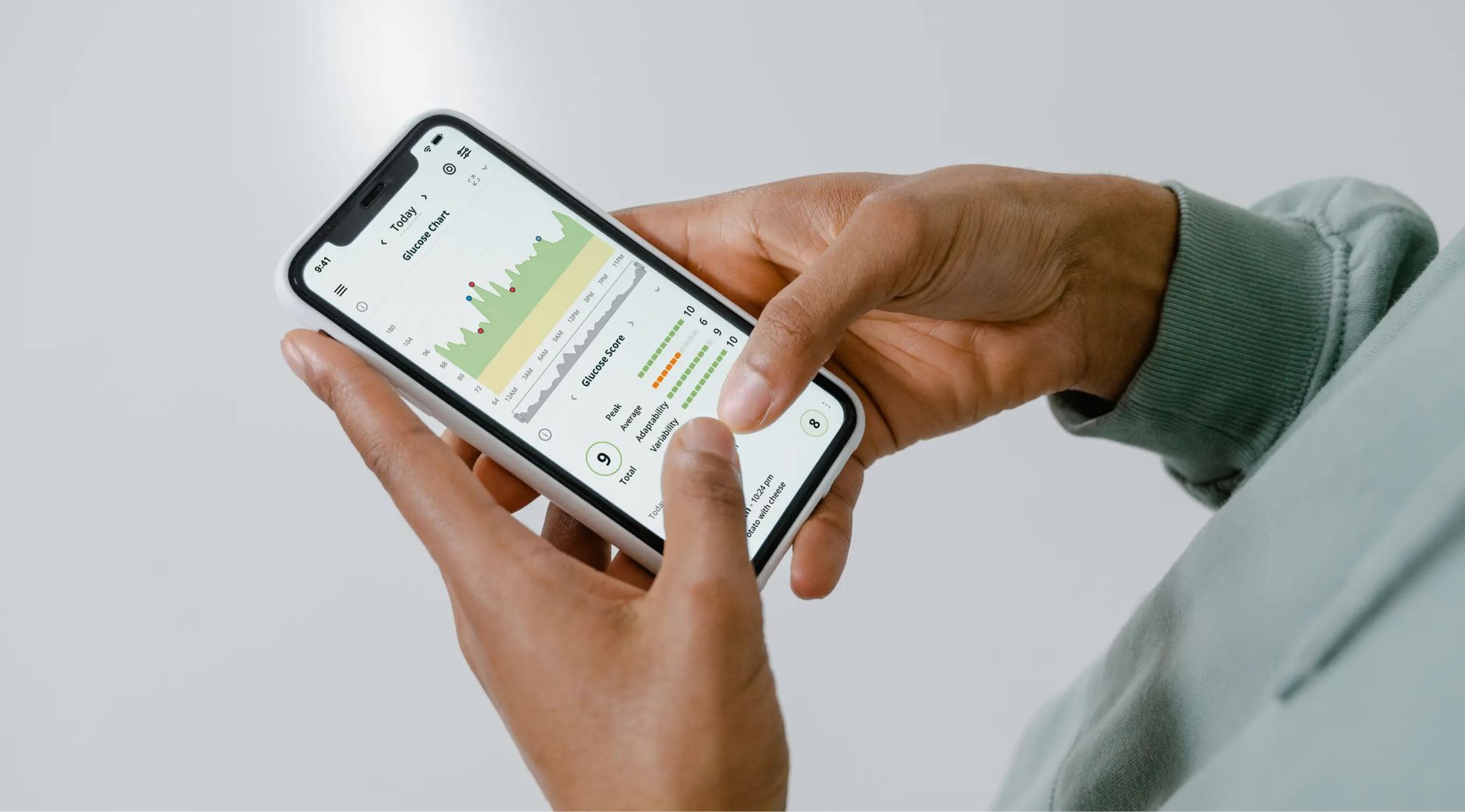
Photo: Nutrisense Inc / Pexels
When you want to add new and positive habits to your life, habit tracking apps can be powerful allies. These apps help you keep your motivation fresh by concretizing every step you take. They allow you to see how small daily actions can lead to big changes over time.
What Habit Tracking Brings You
Habit tracking is actually a very simple method. You can think of it like marking every action you take on a calendar. Digital apps make this process more practical and visual. You can easily see how often you exercise, how much water you drink, or how much you read each day to finish a book. This visual progress inspires you to continue on your path toward your goals.
Using a habit tracker allows you to break down your big goals into smaller, manageable chunks. This makes long-term goals seem smaller and more achievable. Apps provide detailed statistics and charts showing the development of your habits over time. This way, you can analyze your performance and realize where you're doing well or where you need to put in a little more effort.
So, When Does It Become a Burden?
Some habit tracking apps use gamification elements to boost motivation. They offer features like streak keeping, earning points, or ranking on leaderboards. However, this can have the opposite effect for some people. Feelings like "streak shame" or "guilt" can turn maintaining habits into a chore rather than a pleasure. Feeling like all your progress is lost when you miss a day can cause you to lose motivation completely. Remember, the main goal is your well-being, not putting pressure on yourself.
Tips to Prevent Habit Tracking From Becoming a Burden
There are some points you can pay attention to so that habit tracking genuinely benefits you:
1. Set Flexible Goals
Don't try to be perfect. Instead of exercising every day, set a more flexible goal like three days a week. Remember, taking a few days off doesn't reset all your progress.
2. Be Kind to Yourself
Don't blame yourself if you miss a day. It's not a failure, just a setback. You can make a fresh start the next day. What matters is consistency and overall progress.
3. Choose the Right App
If gamification motivates you, you might consider options like Habitica. If you're looking for a simpler and calmer tracker, you should prefer apps that focus on simply keeping a clear record of what you've done. For example, apps like Daytie offer this kind of approach; they show your progress and allow flexibility instead of nagging you.
4. Focused Tracking
Don't try to track too many habits at once. Start by focusing on 1-2 habits. As you see success, you can add new ones. This prevents you from feeling overwhelmed.
Remember, habit tracking is a tool. Its purpose is to help you live a happier and healthier life. Therefore, it's important to find a method that moves you forward, supports your motivation, and doesn't create pressure.