
The Streak Is Broken — But It's Not Over: The Art of Getting Back on Track
You skipped a day, the streak snapped, and that little voice inside whispered "what's the point?" But a broken streak isn't a defining failure — it's just one missed step. Learning how to bounce back is far more valuable than never missing a day at all.
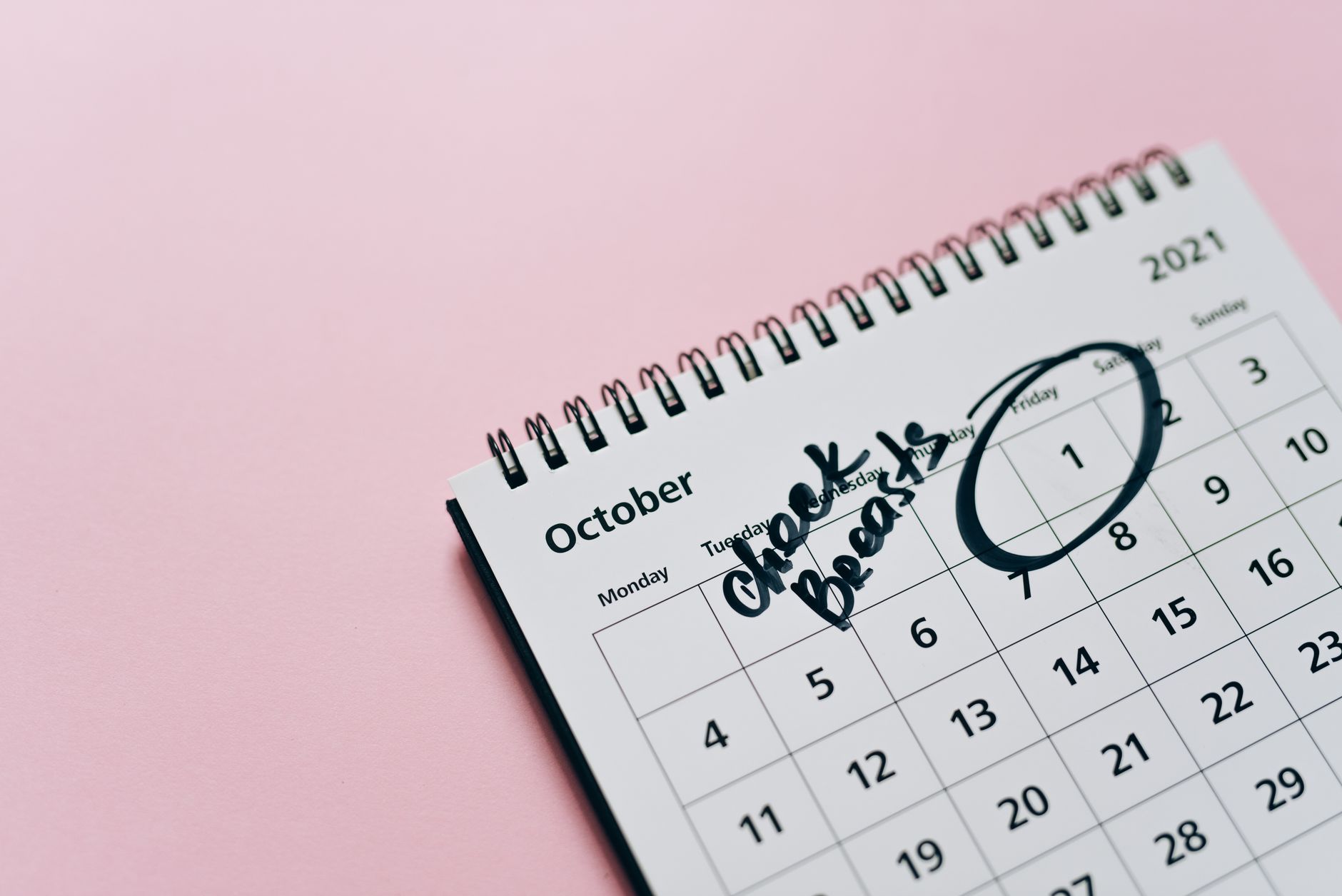
Photo: Leeloo The First / Pexels
That Voice Sounds Familiar, Doesn't It?
You woke up this morning, but yesterday's habit didn't happen. Maybe you were exhausted; maybe the day threw you a curveball. Now you're staring at your calendar and there's a glaring gap staring back. The voice in your head is quick to weigh in: 'The streak's already ruined — what's the point?' That exact moment is the most critical crossroads in any habit journey.
What Actually Happens When a Streak Breaks?
The visual power behind habit tracking lies in those accumulated marks on a calendar — each checkmark links to the last, forming a visible chain. That desire to protect the chain is a powerful system that can keep you moving even when motivation dips. But the moment the chain snaps, many people fall into the all-or-nothing trap, choosing to quit entirely rather than start fresh. The truth is, a broken streak signals one skipped step, not a failed process.
Research on the "Never Break the Chain" method echoes this point: coming back matters far more than maintaining a perfect run. One missed day won't derail your progress — the real danger is letting that miss spill into a second day.
Let Go of the 21-Day Myth
The popular notion that habits form in 21 days simply doesn't hold up to scientific scrutiny. Depending on the person and the complexity of the behavior, automating a new habit can take anywhere from 18 to 254 days — with the average sitting around 66. Rather than discouraging you, this should come as a relief: you don't need to be at any particular day on the calendar. What matters isn't the count — it's consistency.
Instead of counting days, try asking yourself, "Did I do this for most of this week?" That shift frees you from fixating on numbers and keeps your focus on what actually counts — sustainability.
Stop Counting on Motivation
Behavioral science research consistently shows that motivation comes in waves — and it tends to vanish precisely when you need it most. That's why the secret to lasting habits isn't riding the highs of motivation; it's building a system that works even when motivation hits rock bottom. Small steps, clear triggers, and visible progress — that trio keeps you on course without draining your willpower.
When you consider that roughly forty percent of our daily behaviors are automatic, the importance of this kind of system becomes even clearer. The brain conserves energy by putting repeated actions on autopilot. Our goal is simply to get the habits we want onto that autopilot list.
Habit or Just Routine?
In a LinkedIn post exploring habits and routines in professional life, Ferit Tenöz asks a pointed question: "Is what we're doing still serving a real need, or are we just continuing out of sheer familiarity?" Though aimed at the business world, the question is just as illuminating when turned inward. When you're pressuring yourself not to break the chain, pausing occasionally to ask "does this habit still serve me?" makes the whole process both more intentional and more sustainable.
The 'Never Miss Twice' Rule
Habit researchers often recommend one simple, practical rule: never miss two days in a row. Skipping one day weakens the chain, but it doesn't break it. Skipping two days back-to-back, however, can be the beginning of a new bad habit — the habit of not doing it. Get back to it the next day, even if it's a stripped-down version. Five minutes of walking, one page of reading, a single breathing exercise. The point is to restart the chain.
Don't overlook the value of planned rest days either. For long-term habits especially, a pre-scheduled break day boosts both physical and psychological sustainability. Much like the "cheat day" logic in athletic training, a planned pause doesn't break the chain — it keeps you in the game for the long haul.
A Formula for Getting Back on Track
So what should you actually do when a streak breaks? Research and lived experience point to a few core steps: log a checkmark the same day or, at the latest, the next day. Use whatever tools your app offers to patch the gap. Focus not on the days you've lost, but on the consistency you're building from today forward. And most importantly — forgive yourself. It's not perfection that wins; it's consistency.
Starting Small Is Staying Strong
Whether you're building a new habit or re-knitting a broken chain, your most powerful weapon isn't ambitious goals — it's small, consistent steps. Getting just one percent better every day compounds to roughly 37 times the improvement by year's end. What undoes that progress isn't a failure myth like the "21-day rule" or the thought that "I missed once, it's over" — it's the absence of a sustainable system and the self-compassion to keep going.
This is exactly where Daytie comes in: a structure designed to make your streak visible, give you the tools to recover missed days, and help you rebuild momentum with every new checkmark. But remember — the app's power comes from the habit of opening it every day. Go ahead and log that check-in today. Even if yesterday was a miss.