
How Long Does It Really Take to Build a Habit? The 21-Day Myth vs. What Science Actually Says
Everyone says "it takes 21 days to form a habit" — but the science paints a far more interesting picture. Somewhere between 18 and 254 days, what truly determines where you land?
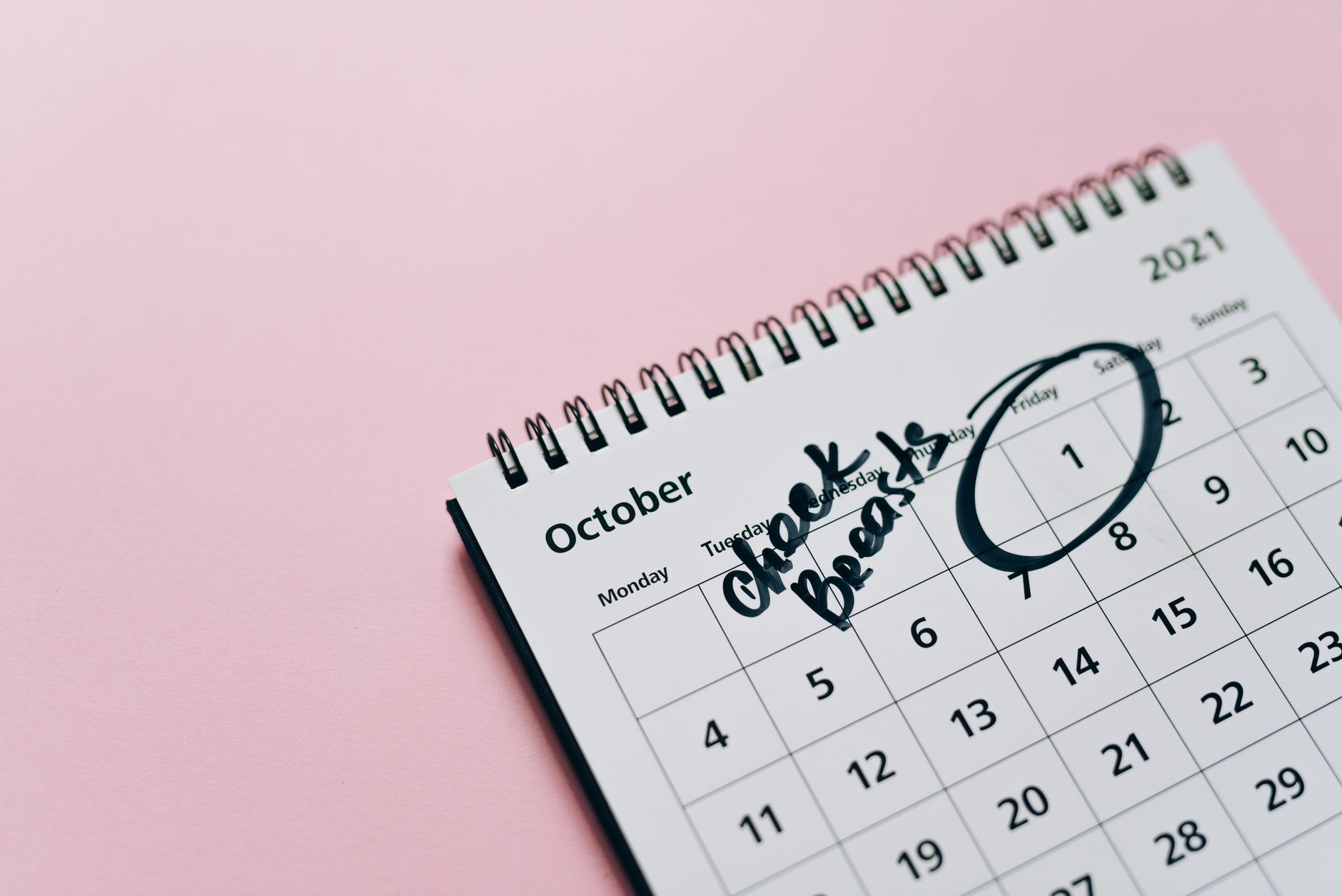
Photo: Leeloo The First / Pexels
Where Did the 21-Day Myth Come From?
We've heard "it takes 21 days to build a habit" so many times that it's practically become gospel. You laced up your running shoes every morning for three weeks, left them by the door to stay motivated — and then, on day 22, the whole thing fell apart. Is that your fault? Almost certainly not. The blame lies with a myth that sold you a dangerously short timeline as "enough."
The 21-day figure isn't entirely wrong — it's just far shorter than what research actually shows. So what's the real number? According to a landmark 2010 study by University College London researcher Phillippa Lally and her team, published in the European Journal of Social Psychology, it takes an average of 66 days for a new behavior to become automatic — and that window can stretch anywhere from 18 to 254 days depending on the person and the habit.
The Hidden Accelerator: Emotion
How quickly you build a habit isn't just about repetition. There's a concept in the psychiatric literature called "emotionally significant experience": the more intense the emotion tied to a behavior, the faster that behavior becomes a lasting pattern. The gut-punch of fear when your doctor says "at this rate, you won't live long" can kick off a dietary change overnight after years of procrastination. The flip side is equally true — the best news of your life can pull you straight into a brand-new ritual. Whether it's profound joy or profound grief, the brain hits its "remember this" switch all the same.
The 21/90 Rule: From Habit to Lifestyle
If you're looking for a practical framework, the 21/90 rule is a solid starting point. The idea is that the first 21 days are spent consciously repeating a behavior through deliberate effort, while the following 69 days cement it into a lasting lifestyle. By the end of 90 days, you're no longer spending significant willpower to do the thing — you just do it. That said, these numbers are best treated as rough milestones on a roadmap, not a hard finish line.
One Slip Doesn't Reset Everything
Lally's research also found that a brief lapse — missing a single day, for example — does not permanently derail the habit-formation process. So if you skipped your workout on Tuesday, you can start fresh on Wednesday without losing your progress. What matters isn't self-punishment; it's not quitting.
The Habit Loop: Cue → Routine → Reward
The habit loop model, popularized by Charles Duhigg in The Power of Habit, breaks every habit down into three elements: the cue, the routine, and the reward. If you reach for your phone the moment you're bored, boredom is the cue, opening the app is the routine, and the brief burst of stimulation is the reward. Once the brain has locked in that loop, it creates a powerful pull to repeat it. According to Duhigg, you can't fully erase a habit — but you can rewire it by keeping the same cue and reward while swapping in a new routine that delivers the same payoff. That's exactly where change begins: keep the trigger and the reward, change what happens in between.
Practical Steps for Building a New Habit
Research and clinical observation point to a handful of concrete strategies that make the process significantly easier. Start your habit with a clear intention and tell people around you about it — social accountability boosts follow-through. Create a small affirmation and reinforce every successful repetition with even a tiny reward. The more consistently the brain connects action with satisfaction, the stronger the loop becomes.
Final Thought: Patience Is a Strategy
Building a habit is less like writing a deadline on a calendar and more like cultivating a relationship — it rewards those who stay the course, and it pays off over time. Twenty-one days is a decent trial run; 66 days is a realistic target; 90 days is the threshold where the behavior starts to feel like a natural part of who you are. As you plan each day with small intentions in Daytie, watching those intentions accumulate and quietly reshape you might just be the best part of the whole journey.